




1921 – Proposal to Outlaw Gross Indecency Between Women
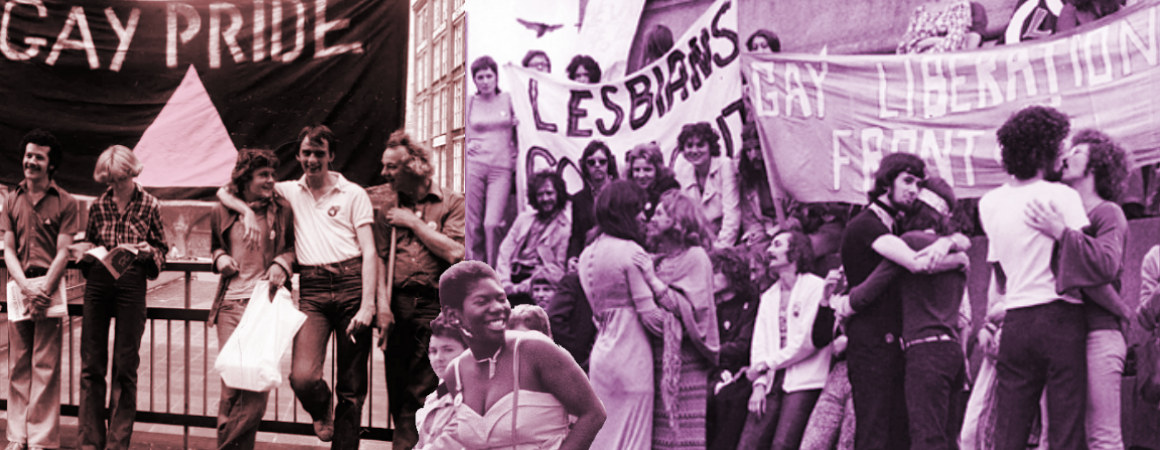
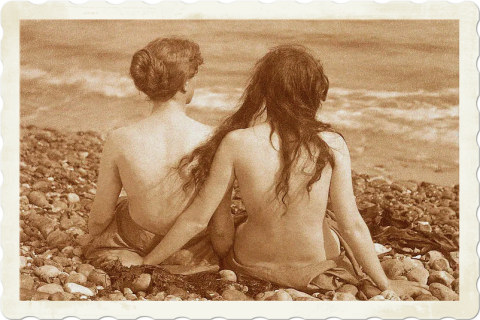
A new offence of gross indecency between women was drafted under amendments to the Criminal Law Amendment Bill 1921. Local MP Colonel Josiah Wedgwood opposed the amendment
1999 – Admiral Duncan Nail Bomb Attack
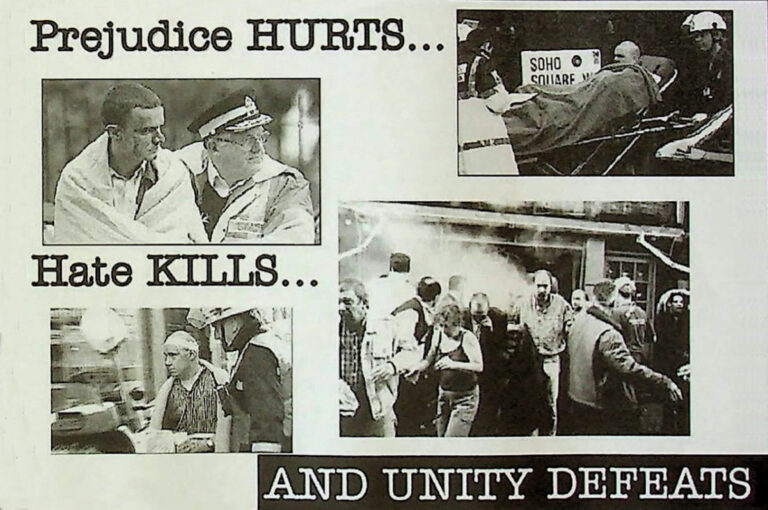
On 17 April 1999 a bomb exploded in Brixton, an area with a large Black community, followed a week later by one at the heart of London’s Bangladeshi community in Brick Lane. On 30 April a third bomb exploded inside the Admiral Duncan, a gay pub in Soho. The local impact of these shocking attacks by a neo-Nazi are explored in this post.
The Dancing Marquess of Beaudesert
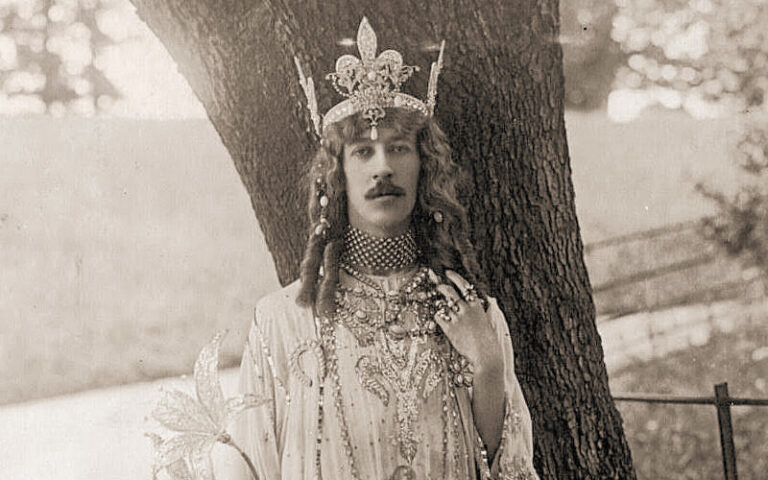
Henry Paget, the 5th Marquess of Anglesey is celebrated as an LGBT+ icon of the late Victorian and early Edwardian eras whose life has recently been featured in a film called Madfabulous. In this post we explore Henry’s local connections to Staffordshire where he owned the once magnificent Beaudesert Hall on Cannock Chase.
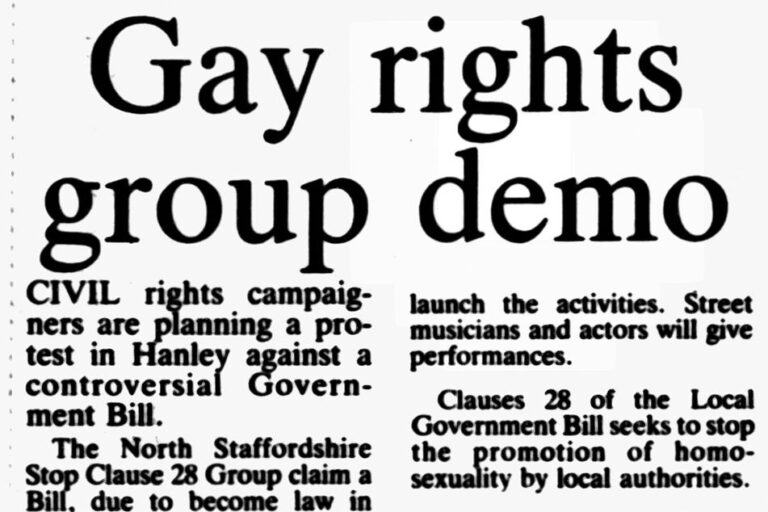
1988 – Clause 28 Bans the “Promotion of Homosexuality”
In 1988 “Clause 28” banned the promotion of homosexuality. In this post we present local news reports including the “First Ever Gay Demonstration in the Potteries”
1979 – Potteries Gay Community Association
The PGCA formed in 1979 to provide support and social opportunities for local LGBT+ people, while also working to challenge the stigma they faced. Members raised funds to establish our first local “Gay Centre” in 3 Hillcrest Street, Hanley.

1972 – The Gay Liberation Front
News clippings from 1972 tell us that Keele University students had a Gay Liberation Front Group and there was also what appears to be a separate group listed as “Potteries” in Gay News. This post features various clippings from the Evening Sentinel and Gay News.

LGBT+ History in the Staffordshire Moorlands
Following the first Moorlands Pride a group of young people are researching local LGBT+ history. Here are a few things I can offer from my own research which I hope may provide some inspiration about where and how to look…
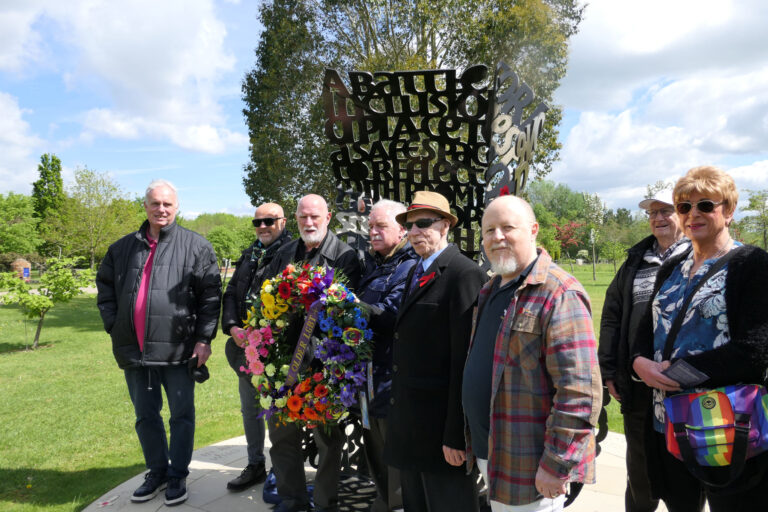
2026 – National Memorial Arboretum
Photos from our recent visit to the National Memorial Arboretum which included a welcome talk, a tour by land train and laying flowers at the new LGBT Armed Forces memorial.

Derbyshire LGBT+ History Project
DerbyshireLGBT+ has successfully acquired funding from The National Lottery Heritage Fund to undertake two history projects. “Our Stories: Discovering our hidden LGBT+ history” and “Our Stories: Discover our hidden HIV history”