Call: 07757 750255

(please leave a message)

Timeline-banner-before-1900

Timeline of LGBT+ History for Stoke-on-Trent and Staffordshire

Before 1900

The area we now know as Staffordshire was originally occupied by Celtic tribes and later by the Romans. In the middle ages we find evidence of people’s sex lives being regulated leading to the buggery act of 1533.  Further legislation followed in the 1800s which ended with the conviction of Oscar Wilde.

Celtic Tribes

Ancient Britain was inhabited by Celtic Tribes, three of which held territory with borders in Staffordshire. Women occupied a significant position in Celtic society equal to or greater than that of men – think of Boudica. Several classical writers in the ancient world noted that Celtic men preferred to have sex with each other. Writing in the 4th century BCE Aristotle (Politics II 1269b) says of Celts that “their men openly preferred male lovers” and in the first century BCE Diodorus Siculus writing about Celtic men says “although their wives are comely, they have very little to do with them, but rage with lust, in outlandish fashion, for the embraces of males” (Bibliotheca historica 5:32).

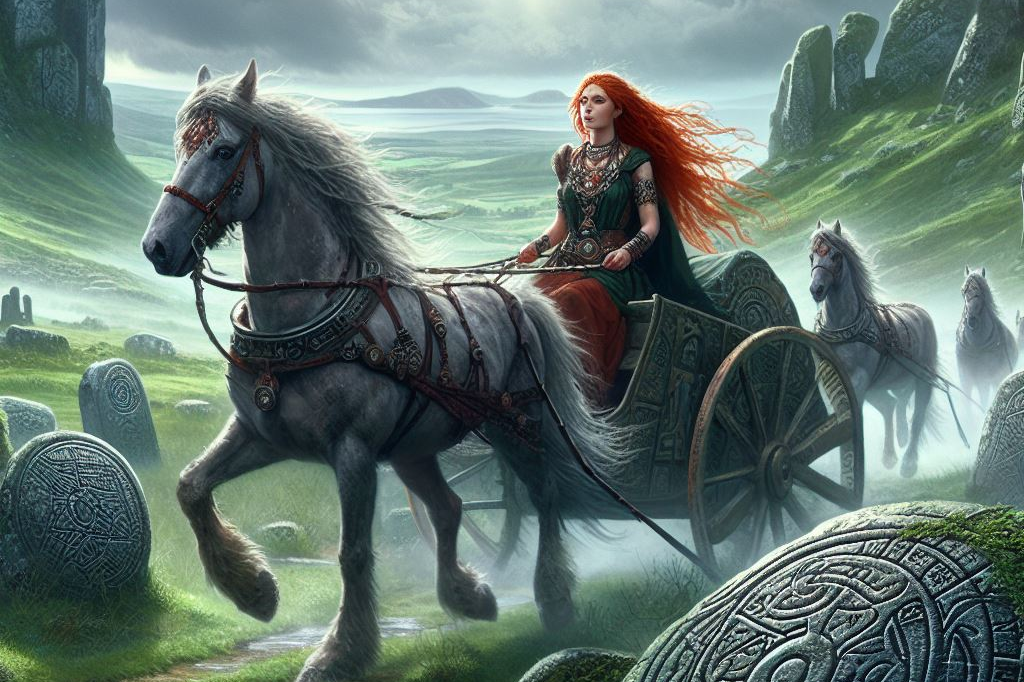
Celtic female warrior riding a chariot in an ancient landscape

Roman Occupation

Britain was part of the Roman Empire following the invasion of AD 43 until rule from Rome ended in the early 5th century. There is plenty of evidence of Roman life in Staffordshire including sites found in Chesterton, Trent Vale, Rocester and the spectacular site of Letocetum near Lichfield. Same sex relations between both women and men are a well documented part of Roman life though it would be wrong to ascribe the modern concepts of lesbian and gay identities to this very different culture. 

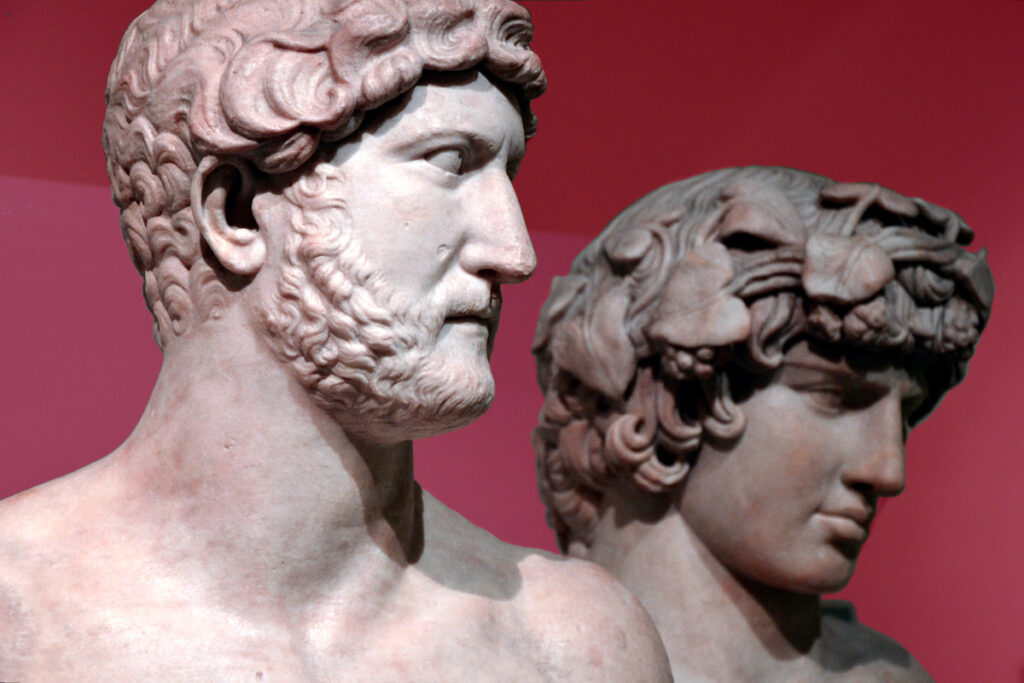
Roman busts of Hadrian and Antinous

Early Middle Ages

Following the end of Roman rule, homosexuality became stigmatised through the increasing influence of the Church. It is likely that references to same sex relations in pre Christian Celtic history and folklore were edited out of all records in this period. The changing attitude to sex can be seen in penitentials – religious documents written to guide confessors on the penances to be imposed on their parishioners when they admitted to engaging in various sins. See for example the ‘Paenitentiale Theodori’, an early medieval penitential handbook based on the judgements of Archbishop Theodore of Canterbury.

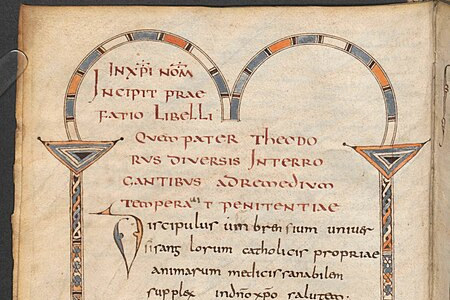
A decorated medieval manuscript showing a title page of the Umbrense version of the Paenitentiale Theodori

1533 - Buggery Act

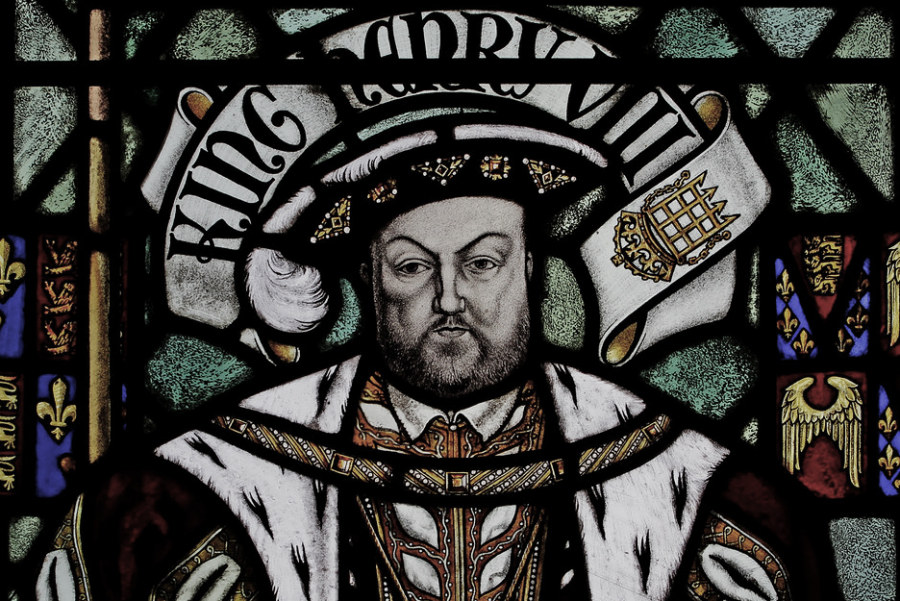
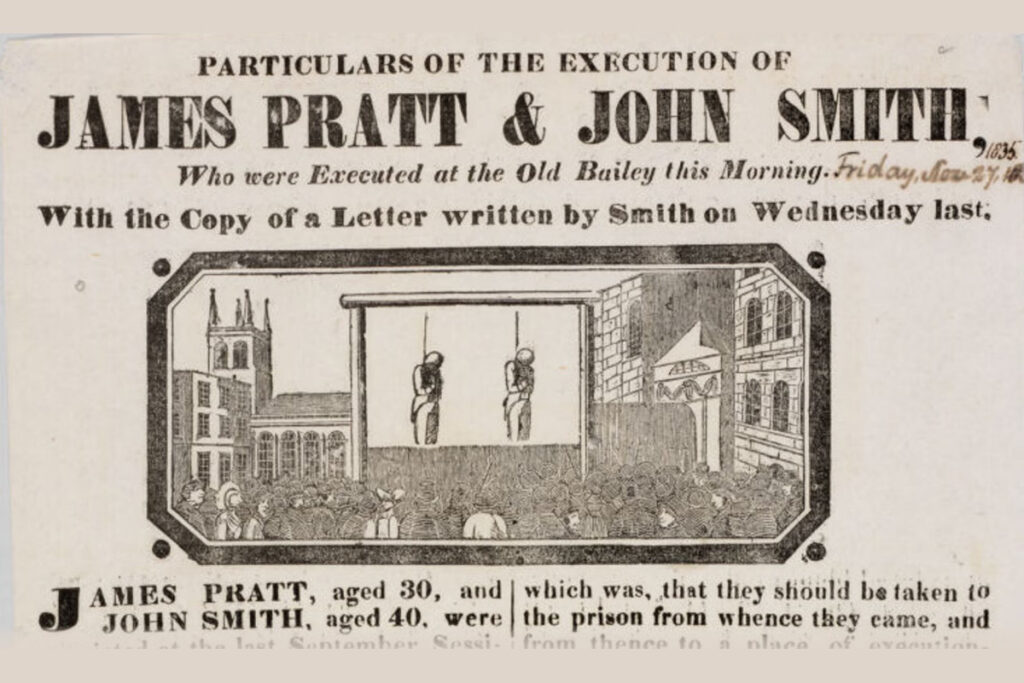
The Buggery Act of 1533 was passed during the reign of Henry VIII, as part of a process of bringing activities that had previously been covered by church law into civil criminal law. The term buggery was not defined in the text of the legislation but was later interpreted by the courts to include only anal penetration and bestiality, regardless of the sex of the participants.  The act was widely used to prosecute men engaged in consensual sex. Buggery remained a capital offence until 1861, though the last executions were in 1835.

1574 - Richard Barnfield – A Writer of Homoerotic Poetry Born in Staffordshire

Richard Barnfield was born in Norbury, Staffordshire in 1574. He is said to be one of only two published Elizabethan male poets that addressed love poems to another man, the other being William Shakespeare. Barnfield’s explicit expressions of homosexual desire are considered the most direct found in Renaissance English literature. In this post we explore his life and his homoerotic poetry. Read more…

1800s - Criminalisation

In 1828 the Buggery Act of 1533 was repealed and replaced by the Offences against the Person Act which incorporated the further offence of ‘indecent assault’, which had emerged within common law during the 18th century. This was followed by The 1885 Criminal Law Amendment Act that made any act of ‘gross indecency’ between men a criminal offence, whether it occurred in public or in private. In 1898 ‘Cruising’ streets, parks or urinals was criminalised as the offence of ‘importuning’ through the Vagrancy Act which was later amended by the Criminal Law Amendment Act (1912).

1835 - Staffordshire's Connection to the Last Men Hanged for Buggery

James Pratt and John Smith were the last two men to be hanged in England for the crime of ‘buggery’ (anal sex). Pratt and Smith came from working-class backgrounds in Essex and Worcestershire respectively. The “crime” took place in a private room in London rented from William Bonhill whose family has roots in South Staffordshire. The magistrate who committed the three men to trial was Hensleigh Wedgwood, the fourth son of Josiah Wedgwood II. Following the trial at the Old Bailey, Hensleigh wrote a passionate letter to the home secretary appealing against the death penalty that had been imposed on James and John. Read more…

1854 - Local Men Convicted of Sodomy

On 25th March 1854 the Staffordshire Evening Sentinel reported that Joseph Warrilow aged 50 and Joseph Stretch aged 17 had been found guilty of a “crime of an abominable nature” that took place in Stone on 5th November 1853. Both men were sentenced to death though neither of the men were actually hanged. Read more…

1856 - A Female in Male Attire in Longton

Julia Ann Lilley was born in Longton in 1839 to parents John and Mary. In 1856 she appeared in local and national newspapers having run into trouble with the police for wearing male attire while playing a game of “pitch and toss” with boys in the street. In this post we explore a compelling story of Julia’s troubled life as a woman that preferred to dress as a man. Read more…

1883 - Oscar Wilde Visits Staffordshire

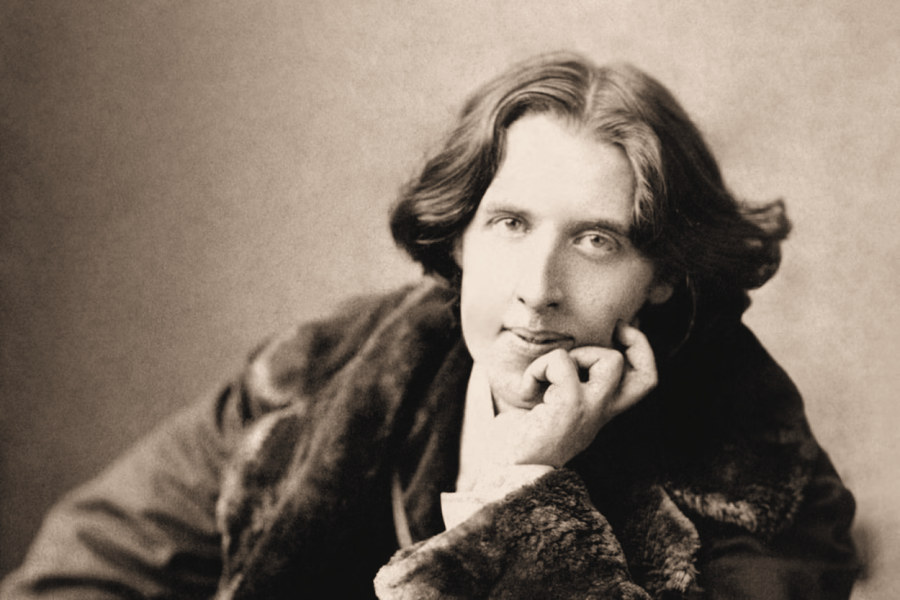
Oscar Wilde visited Staffordshire on more than one occasion to deliver lectures as part of his national tours. In 1883 the venues he appeared at included St James Hall in Lichfield and St Pauls Institute in Burton-on-Trent. The following year in 1884 he appeared at the Lyceum Theatre in Stafford, The Temperance Hall in Leek, The Stoke and Fenton School of Art, the Town Hall in Stoke and the Mechanics Hall in Hanley. Read more…

1879 - Miss Vesta Tilley, The Charming Male Impersonator

Vesta Tilley gained national fame as a renowned music hall male impersonator. She appeared locally in Staffordshire on more than one occasion. In this post we explore local press cuttings and delve into the fascinating world of male impersonators on stage in the nineteenth and early twentieth centuries. Read more…

1891 - First Mention of Lesbian in Local Press

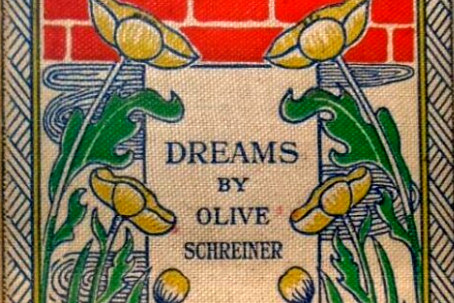
So far the earliest mention of the word “Lesbian” found in local newspaper archives appears to be in a review of “Dreams”, a collection of short stories by South African feminist Olive Schreiner published in 1890.   Schreiner’s stories explore the lives of women dealing with issues of identity, love, and the expectations of society in Victorian-era South Africa. The book review appeared in The Lichfield Mercury in 1891 and makes a comparison to Sappho “the famed lesbian”. You can read the review here…

Our timeline is a work in progress, we need your help! 

We want to create a record of the important people, places, organisations and events that are part of our history. We would love to receive your memories and recollections – please send us details of anything that we can include. 

Our history is important, lets make sure it’s not hidden or forgotten!

Explore Local LGBT+ History

Skip to content