Timeline of LGBT+ History for Stoke-on-Trent and Staffordshire
Years 1950 – 1999
The second half of the nineteenth century saw the publication of the Wolfenden report, eventually leading to the partial decriminalisation of sex between men. In the short term prosecutions and persecution were worse. The Stonewall riots in America catalysed a global gay rights movement that took off in the UK in the 1970s including the formation of local community groups in Stoke-on-Trent. The battle for equality was set back in the 1980s with section 28 though this also brought people together in the Potteries first ever gay rights demonstration.
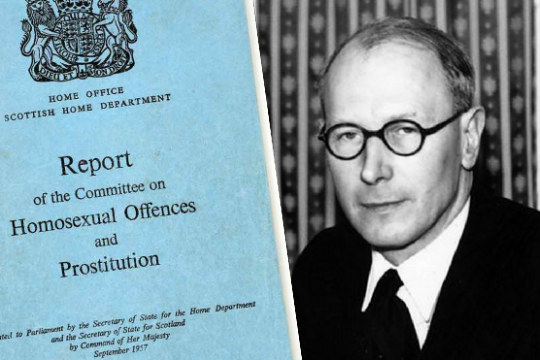
1957 - The Wolfenden Report
The Report of the Departmental Committee on Homosexual Offences and Prostitution (the Wolfenden report) was published on 4 September 1957. The report recommended the decriminalisation of sex between men.
1967 - The Sexual Offences Act Partially Decriminalises Sex Between Men
Ten years after the publication of the Wolfenden report , the laws on sex between men were updated. The Sexual Offences Act 1967 decriminalised homosexual acts in private between two men over the age of 21. The Act only applied to England and Wales, and did not include decriminalisation in the Merchant Navy or the Armed Forces.
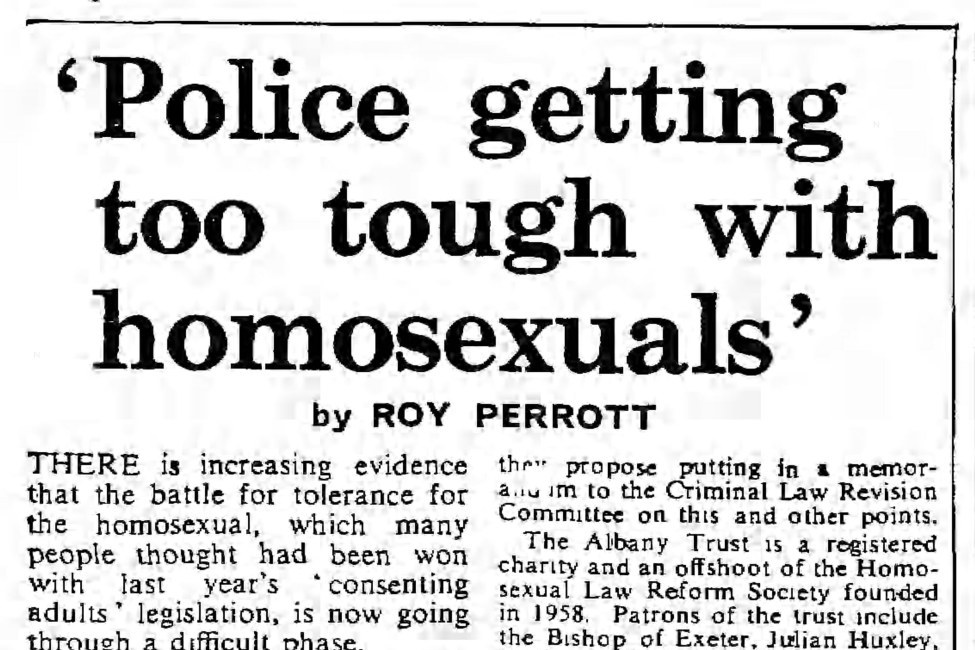
1967 - Police Arrest Four Young Men
People may have hoped that the partial decriminalisation of sex between men in 1967 would bring more enlightened times. Sadly police action against gay men increased and this included action against young men under the age of 21. The first concerted police campaign against gay men under the new age of consent took place in Staffordshire in the Autumn of 1967. Four youths were arrested and charged, one later committed suicide. Read more…
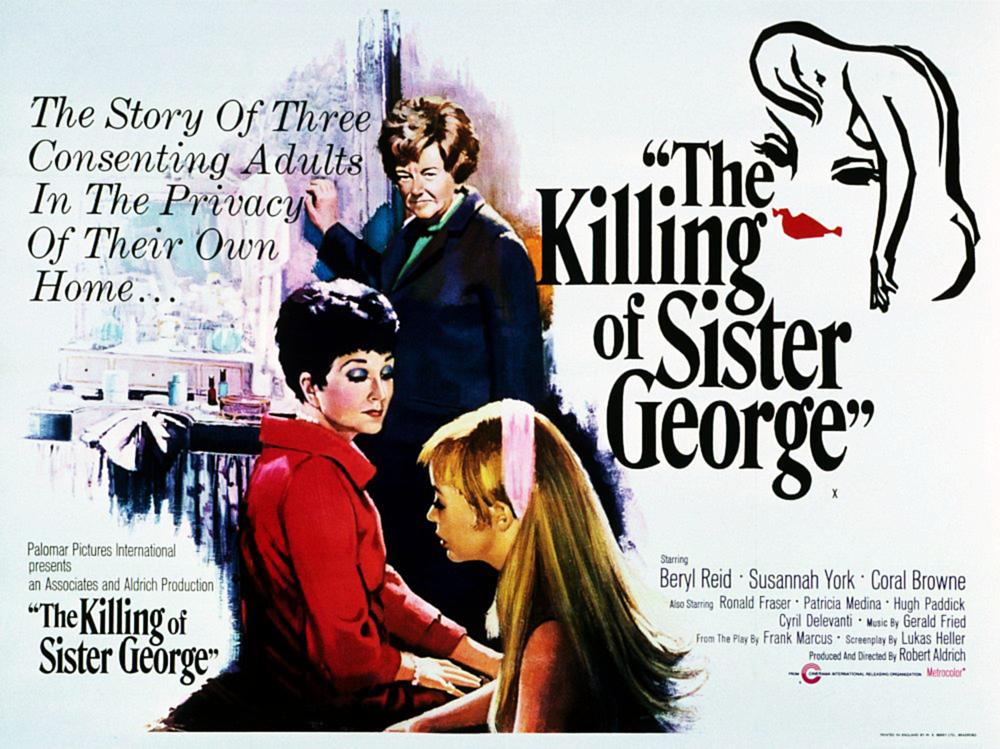
1968 – The Killing of Sister George
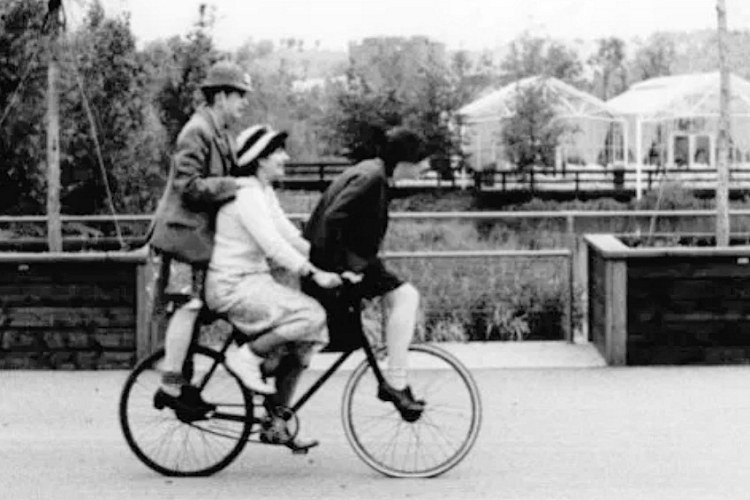
The Killing of Sister George is a 1968 American film based on the 1964 play by British playwright Frank Marcus. The film attracted considerable controversy due to an explicit lesbian lovemaking scene. In the UK the BBFC (British Board of Film Censors) initially refused to give it a certificate leaving local councils to decide whether it could be shown in their areas. Read more including local press reports…
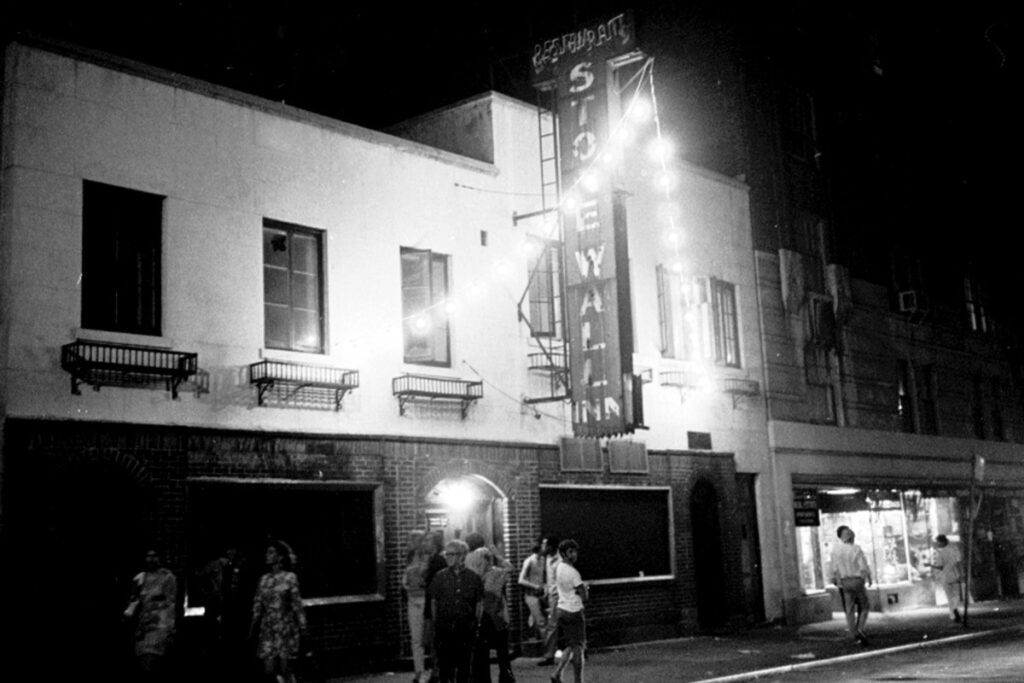
1969 - The Stonewall Riots
In the early hours of the morning of Saturday June 28th 1969, lesbian, gay, bisexual, and transgender persons rioted following a police raid on the Stonewall Inn, a gay bar in Greenwich Village, Manhattan, New York City. Further riots and protests took place on the following nights Although these demonstrations were not the first time that American LGBT+ community members had fought back against police harassment, the Stonewall riots catalysed the gay rights movement. Read more here…
1970s - The Grand in Hanley
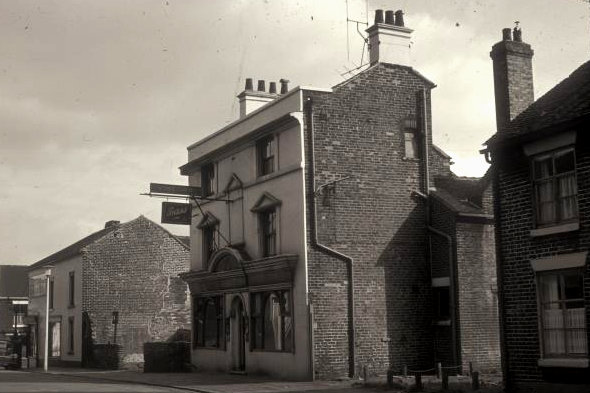
The Grand in Trinity Street, Hanley was a hotel built at the end of the nineteenth century adjacent to the Hanley railway station which is now long gone. It was one of the venues in the first listings for Stoke-on-Trent that was published by Gay News in 1973 and it continued to be listed throughout the 1970s. Community members say It had a reputation as a potential meeting place for the gay community long before the decriminalisation of sex between men, even as far back as the second world war. Read more…
1972 - The Gay Liberation Front in Stoke-on-Trent
The Keele University Gay Liberation Society launched in 1972. They held a meeting on Wednesday March 8th 1972 which was advertised in the Evening Sentinel. The group was also listed in the first issue of Gay News around 1st May 1972 under the heading “National Gay Liberation Front Groups”. Read more…
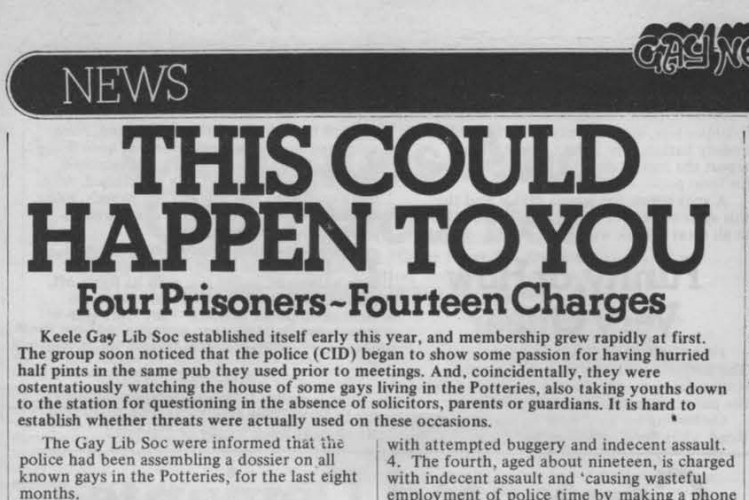
1972 - Police Target Keele Gay Lib Soc
In 1972 an article in the newly launched national publication “Gay News” reported that over the last eight months police had targeted the Keele Gay Lib Soc as part of a wider campaign against local gay men and that they had been compiling a dossier of all known gays in the potteries. Read more…
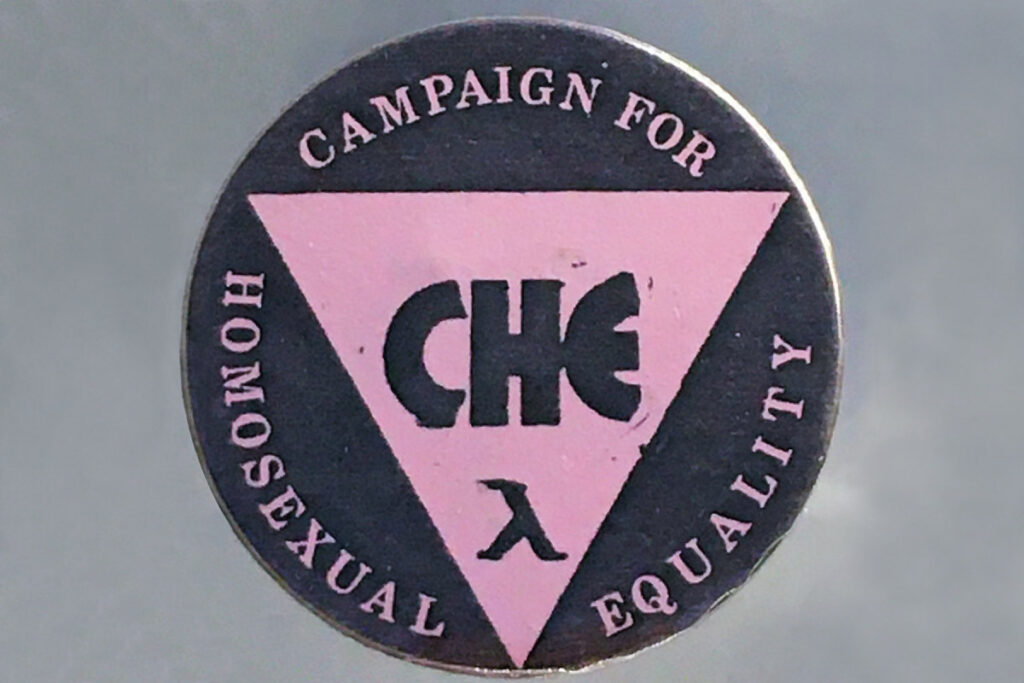
1972 - The Campaign for Homosexual Equality (CHE) in Stoke
Stoke-on-Trent had a local Campaign for Homosexual Equality (CHE) group that was part of a national network of CHE groups that met across the UK. The goal of the CHE was to promote legal and social equality for lesbians, gay men and bisexuals. The group formed in 1972 and initially met in members homes and the 141 club that opened a year later. Membership cost 50p. Read more…
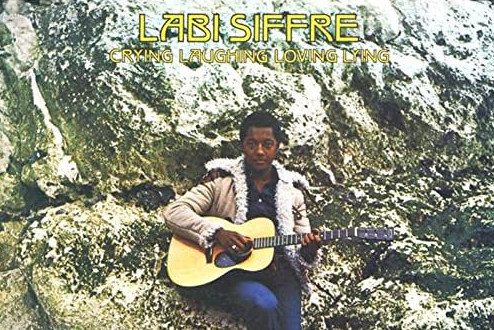
1972 - Labi Siffre Song "Cannock Chase"
Labi Siffre is a homosexual black folk singer with a catalogue of successful albums and songs. His third album, released in 1973 included the hits “It Must be Love” and the album’s title track “Crying, Laughing, Loving, Lying”. The album also included a less well know track called “Cannock Chase” of which Labi has said “I wrote it on Cannock Chase sitting in the back seat of my car with arms around my guitar and I gave it that place name”
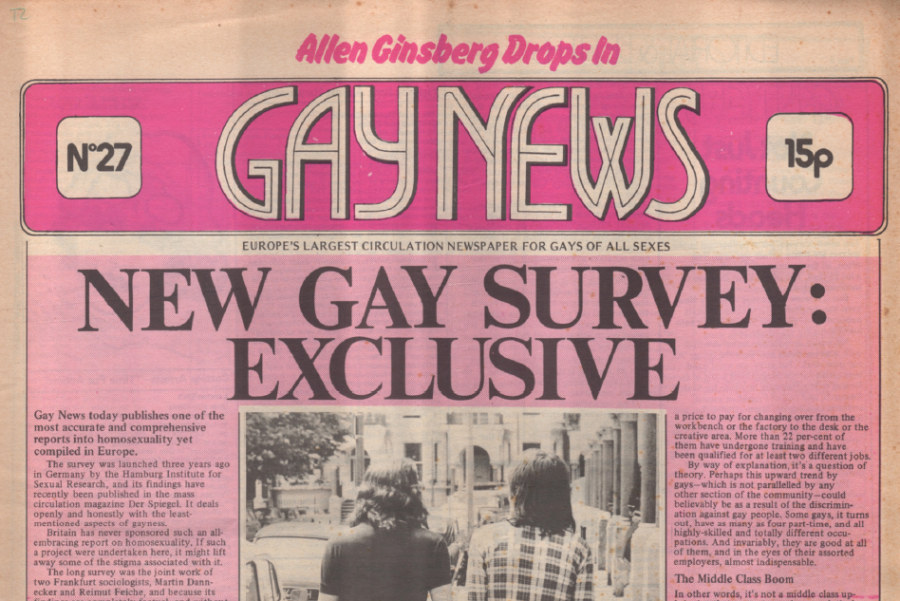
1973 - Stoke's First Listings in Gay News
The first issue of Gay News was published in May 1972. Over the following year an information page evolved with listings for areas outside London. Stoke’s first listing of pubs and clubs appeared in issue 27 published July 1973. Read more including clippings from this and other issues…
1973 - Stoke's First Gay Nightclub
Stoke’s first gay night club opened in May 1973. It was called the One for One reflecting its address in 141 Marsh Street, Hanley. The name One for One also had other connotations. Later called simply the 141 it was then renamed The Excalibur in 1986 and moved to larger premises in Hillcrest Street. The original premises in Marsh Street were later take on by new owners and briefly reopened as the 141 again in 1990.
We would love to hear from anyone that has memories, photographs or publicity material for the old 141 to help us expand on this entry.
1974 - The Vine
The Vine, “Mames Bar” in Vine Street Hanley is mentioned in an article in issue 46 of Gay News published May 1974 as being the new venue for Stokes local Campaign for Homosexual Equality group. It also starts to appear as a regular listing in Gay News from October 1974 onwards. It was well known in later years as a pub with an alternative scene. The Vine was demolished a while ago. Read more about our Local Campaign for Homosexual Equality group…
1977 - Tom Robinson Band Plays in Stoke and Stafford
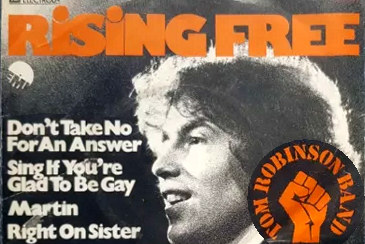
The Tom Robinson Band were a British rock band, established in 1976. Their song “Glad to Be Gay” is considered a British national gay anthem. In 1977 they played venues in the midlands including Stoke and Stafford. Read more …
Were you at any of these gigs? We’d love to hear from you!
1977 - The White Swan in Hanley
The White Swan pub appears in Gay News listings around 1977 and was listed up until 1983. It was opposite The Mitchell theatre at the lower end of broad street. A community member posted online to say “Ken and Peter kept it before they went to keep a bar in Spain, when they came back don’t know if they kept the White Swan again before keeping the Three Tuns in Hanley. Another White Swan was listed for Cobridge in Gay News 1977 and 1978, possibly under the same ownership.
1977 - North Staffordshire Switchboard
The North Staffs Gay Switchboard was founded in 1977 at Keele University, the name was later updated to The North Staffordshire Lesbian, Gay and Bisexual Switchboard. The organisation became a registered charity in 2000 but it no longer operates having closed around 2007. During the thirty years that the helpline operated thousands of calls were handled providing essential help and support to local people. Read more…
1979 - Potteries Gay Community Association
The PGCA formed in 1979 to provide support and social opportunities for local LGBT+ people, while also working to challenge the stigma they faced. The association was among the first of its kind outside the major UK metropolitan centres. Members raised funds to establish our first local “Gay Centre” in 3 Hillcrest Street, Hanley which offered an alternative to the emerging club and pub scene and provided a new home for the North Staffordshire Gay Switchboard. Read more…
1980s - The Excalibur
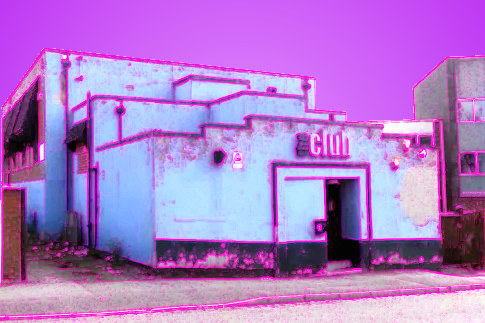
Around 1986 the 141 club in Marsh Street was renamed The Excalibur under new ownership and shortly afterwards relocated to Hillcrest Street in Hanley. The new larger premises operated as a multi level venue with raves in the basement bar and meetings for the leather and fetish scenes on the top floor. Later it became “Mates” and in 1995, under new owners, became known simply as “The Club”.
Do you have any recollections and photos that can help us expand on this history?
1981 - North Staffs Lesbian Line
In June 1981 the North Staffs Gay Switchboard began to separately advertise a Lesbian Support Group with the same contact telephone number. It was later called “The Lesbian Line” and continued to operate on the Switchboard number on Friday evenings until 1990 when Switchboard rebranded as the the Lesbian and Gay Switchboard becoming a single inclusive helpline service again. Read more in our post about local Women’s Groups
1982 - Latecomer - A Gay Play
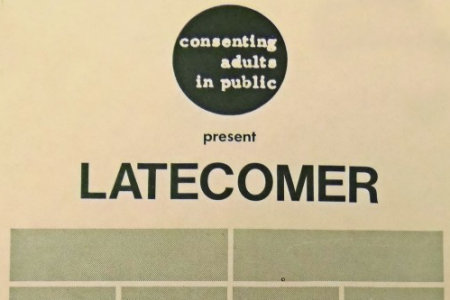
In October 1982 the Potteries Gay Community Association applied to stage a gay themed play, “Latecomer” by Eric Presland. After a private council debate two thirds of the committee agreed to the play being presented and it was subsequently staged at the Newcastle Guildhall on Nov 9th. The night did not go quite as planned! Read more…
1983 - Beavers (B Arts)
B arts was formed in 1983 as “Beavers” by Yvon Appleby, Hilary Hughes and Gill Gill to “work together as women at women’s festivals in women’s centres, community centres, schools, refuges – anywhere that women meet”. Their first major show “Cloudwalking” told the story of three female climbers undertaking an expedition to the High Sierra Mountains and the intense relationships that developed during their climb. They became a company in 1985 and Beavers was renamed B arts in the mid-1990s. Find out more on the B-arts website – Then and Now and History
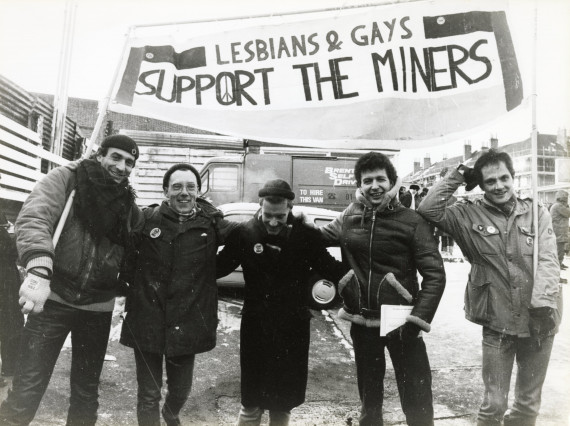
1984 - Lesbians and Gays Support the Miners
Lesbians and Gays Support the Miners (LGSM) was an alliance of lesbians and gay men who supported the National Union of Mineworkers during the year-long strike of 1984–1985. One of the two founder members of the movement was Mike Jackson who graduated from Keele University in 1980 Read more…
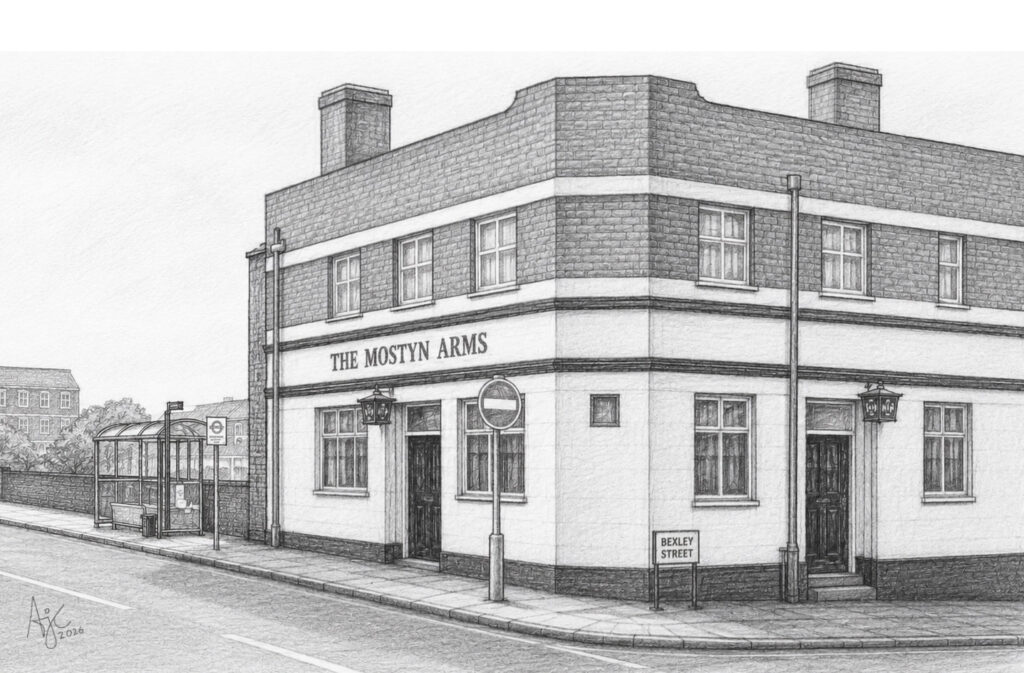
1985 - The Mostyn Arms
The Mostyn Arms at the Cobridge end of York street was a gay venue from around 1985 to 1988. It was later renamed Mystiques and then the Continental, a popular music bar that was no longer exclusively gay and attracted a mixed crowd. This was part of a trend towards mixed venues that were gay friendly but open to all. The Continental was well know for it’s drag acts and other entertainments. in the 1990s
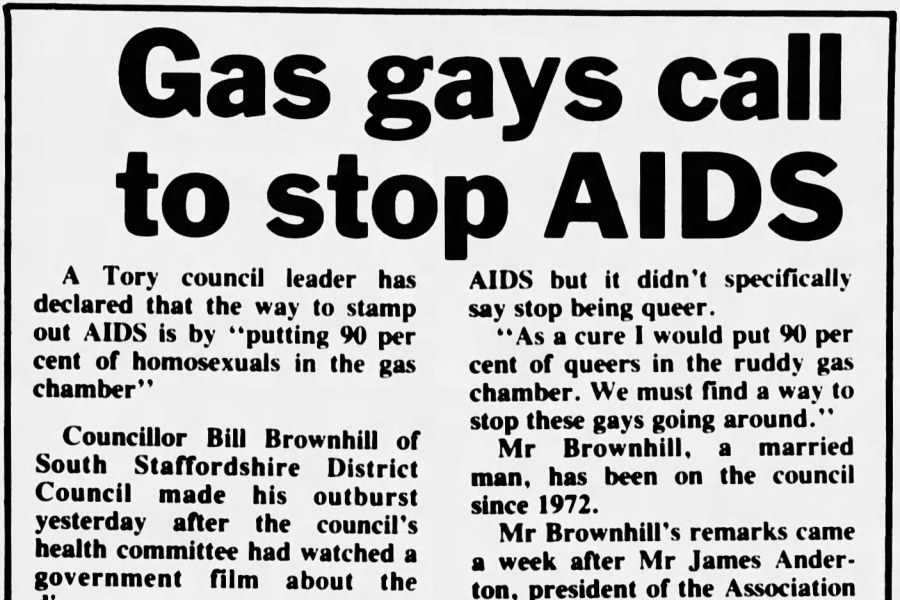
1986 - The Wombourne 12
In December 1986 the Conservative leader of South Staffordshire Council, William Brownhill, made headline news by suggesting at a Council meeting that 90% of homosexuals should be gassed to halt the spread of AIDS. Labour Councillor, Jack Greenaway, agreed with him… A protest outside Councillor Browns home led to the arrest of 12 members of the National Lesbian and Gay Youth Movement. Read more…
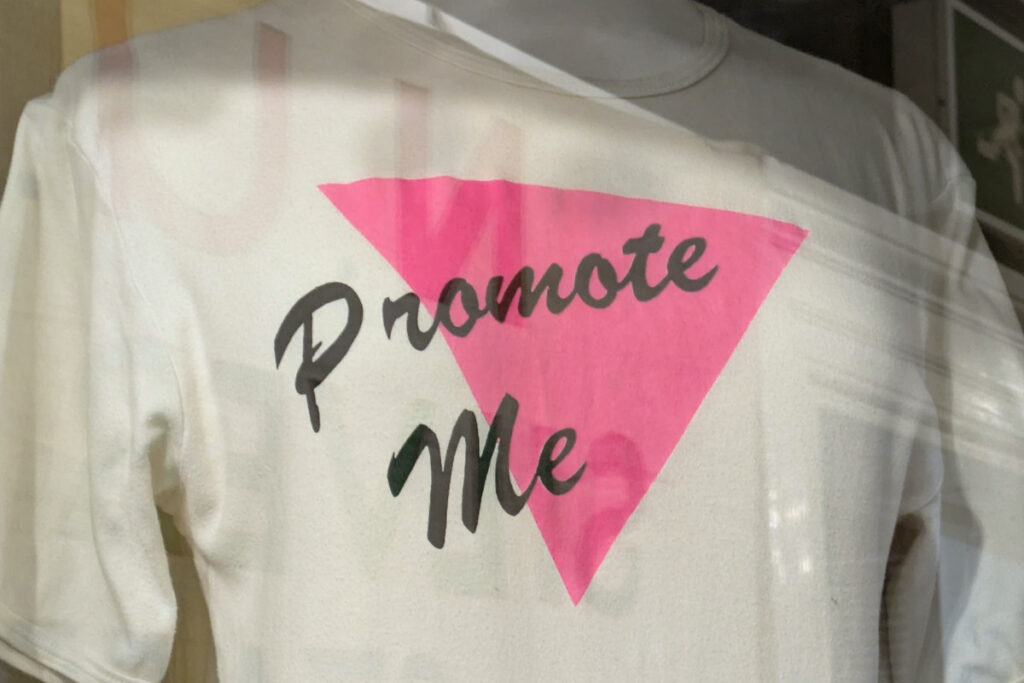
1988 - Clause 28 Bans the "Promotion of Homosexuality"
In 1988 a new section was added to the Local Government Act 1986 banning the promotion of homosexuality. This came into law on 24 May 1988 and had significant national and local impact. The LGBT community in Stoke staged a public demonstration which the Evening Sentinel newspaper described as the first ever gay demonstration in the Potteries. The law was not repealed until 21 June 2000 in Scotland, and on 18 November 2003 in England and Wales. Read local press reports…
1990 - Body Positive North Midlands
In February 1990 a group of people living with HIV/AIDS met for the first time at the North Staffordshire Health Promotion Unit. The group decided to call itself “Body Positive” following the trend set by the first UK HIV/AIDS self help group established in London in the late 1980s. Most of the local people diagnosed with HIV infection in the early years of the HIV/AIDS pandemic were gay men.
1990 - Operation Spanner
In December 1990 16 gay men were given prison sentences of up to four and a half years or fined for engaging in consensual SM activity. This followed a police investigation called Operation Spanner, led by the Obscene Publications Squad of the Metropolitan Police, during which approximately 100 gay and bisexual men were questioned. Subsequent investigations by local police forces continued into the 1990s including raids on homes in Staffordshire and surrounding counties. Read more…
1990 - The Three Tuns
The Three Tuns was a local gay venue situated at 9 Bucknall New Road, Stoke-on-Trent. It was first listed in Gay Times magazine from 1993 onwards, however, it is also mentioned in an article about Stoke in Gay Times published in July 1990 and was likely a gay venue some time before this. In 1998 it was taken over by business partners John Wain and Richard Lancefield who were owners of “The Club” in Hillcrest Street nearby. Read more…
1992 - The Womens Group
Three women formed a gay womens group in 1992; for about 18 months they met at the Observatory Pub in the aptly named Dyke Street in Hanley. Members heard about the group via switchboard and the numbers grew. The group later moved to the Hollybush, then Godivas and from 1995 over twenty members regularly met at The Club in Hillcrest Street. Read more in our post about local Women’s Groups
1993 - Staffordshire Buddies
Volunteers recruited and trained by the development worker of Body Positive North Midlands established a new local support service for people living with HIV/AIDS. Staffordshire Buddies was launched on the 1st December 1993 coinciding with the World Aids Day them “A Time to Act”
1994 - Age of Consent for Sex Between Men Reduced to 18
The Criminal Justice and Public Order Act 1994 reduced the age of consent for sex between men to 18, and legalised anal sex between men and women, also with an age of consent of 18. Read about changes to the age of consent on the LGBT Archive
1995 - The Club
In 1995 the gay club In Hillcrest Street, Hanley (originally called The Excalibur and later Mates) was taken over by John Wain and his business partner Richard Lancefield and it became known simply as “The Club”. Sadly the venue closed in the mid 2010s. A local publication called Proud published in 2015 has some great articles about this and the history of our local LGBT pub and club scene. Read issue 4 of Proud here
Do you have any recollections and photos that can help us expand on this history?
1995 - Mesmen Project
Staffordshire Buddies set up the Mesmen Project in Lichfield to provide HIV Prevention and Sexual Health Promotion to gay, bisexual and other men who have sex with men in South Staffordshire. The project ran for over twenty years helping create social opportunities for LGBT+ people while striving to improve their health.
Staffordshire police, were heavily criticised for mounting an operation to spy through peepholes on men “cottaging” in public toilets in Stoke. Police relations with the gay community reached a low point when 21 men, many of them married, were arrested, with some losing their jobs, their wives and their homes due to unsympathetic local press coverage.
1997 - The Gay Mens Health Alliance Project
The Gay Mens Health Alliance Project (G-Mhap) aimed to improve the physical, mental and sexual health needs of gay men. The project was launched in 1997 as part an NHS funded initiative to address HIV prevention and sexual health promotion in North Staffordshire. The project later occupied premises in Piccadilly, Hanley and became know as “The Piccadilly Project” with a wider remit for LGBT+ health promotion. Read more…
1997 - The Forum
The North Staffordshire Lesbian, Gay and Bisexual Community Forum (often referred to as “the Forum” and later the “Rainbow Forum”) began in late 1997 following a public meeting arranged by G-Mhap. The Forum’s early mission was to provide a public profile for the community – countering the image of a “secret problem” – and to influence local decision-making in areas like health, housing, and leisure. It was highly influential in building better relations with the police and advancing our local LGBT+ rights agendaRead more…
1997 - Red Ribbon Riot at the Club
The Red Ribbon Riot was a fabulous cabaret style fundraising event organised by and for LGBT+ community members. It took place at the Club in Hanley on World AIDS Day, 1st December 1997 and raised over £2000. A video of the event was produced and sold to raise funds, we will upload some photos and video clips soon…
1998 - Galaxy Youth
In March 1998 GMhap launched a new youth group for LGB people under the age of 18. In June 1999 the group won Mind Millennium funding and by the end of the year it had more than twenty regular members. The group ran for over twenty years.
1998 - Police Tackle Hate Crime
In 1998 Staffordshire Police collaborated with members of the local community to launch a new campaign to tackle hate crime against LGBT+ people. This marked a significant turning point in relations with the police. Staffordshire Police continue to tackle hate crime directed to any part of our diverse local community. Read more…
1998 - Planning a Gay Festival
In early 1998 the North Staffs Lesbian and Gay Community forum announced plans to hold a gala event that would have been Stoke-on-Trent’s first Pride if it had gone ahead. The plans were part of concerted efforts to improve the general public’s attitude towards the LGBT+ community. Mike Wolfe, later to become Stoke’s first elected Mayor, bravely fronted the public announcements on behalf of the forum. Read more…
1998 - The House of Lords Votes Against an Equal Age of Consent
In 1998, the UK House of Commons voted to equalise the age of consent for sex between men to the same age of consent that applied to everyone else. the House of Lords repeatedly voted against the proposed amendment in attempts to block any reform. Parliament reintroduced provisions for an equal age of consent into the Sexual Offences (Amendment) Bill and used the Parliament Act to bypass the Lords in November 2000.
1998 - Kiss of the Spider Woman
In 1998 the New Vic Theatre commissioned actor Michael Cashman to direct “Kiss of the Spider Woman” coinciding with commemoration of the 50th anniversary of the Universal Declaration of Human Rights. The House of Lords had recently over-ruled the Commons free vote to reduce the age of consent for gay men. In pieces he wrote about the play Cashman drew parallels with our political struggle for gay equality. Read more including Michael Cashman’s article for Pink Lobby…
1998 - Second Red Ribbon Riot at the Club
Following the hugely successful event of 1997 a second Red Ribbon Riot Variety Show took place on 29th November 1998 as part of local World AID Day events. Tickets cost £4.50 and the two hour show raised a significant donation for local HIV charity Staffordshire Buddies. A video of the event was produced and sold to help raise funds, we will upload some photos and video clips soon…
1998 - GMhap Wins Gold Award
In December 1998 G-Mhap (North Staffordshire Gay Men’s Health Alliance Project) became the first project in the country to win a Gold NHS Equality Award. The award recognises work which challenges health inequalities due to social exclusion or discrimination.
1999 - Admiral Duncan Nail Bomb Attack
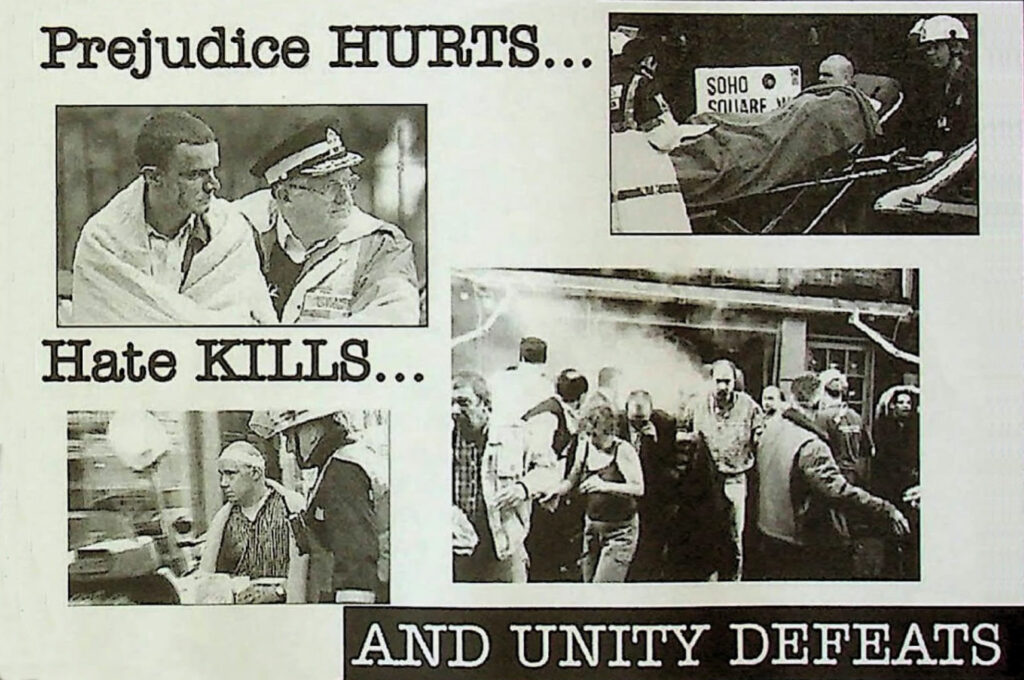
In April 1999, London was shaken by a series of three nail bomb attacks deliberately targeting minority communities. On 17 April a bomb exploded in Brixton, an area with a large Black community, followed a week later by one at the heart of London’s Bangladeshi community in Brick Lane. On 30 April a third bomb exploded inside the Admiral Duncan, a gay pub in Soho. The local impact of these shocking attacks by a neo-Nazi are remembered in this post. Read more…
Our timeline is a work in progress, we need your help!
We want to create a record of the important people, places, organisations and events that are part of our history. We would love to receive your memories and recollections – please send us details of anything that we can include.
Our history is important, lets make sure it’s not hidden or forgotten!
We use cookies on our website to give you the most relevant experience by remembering your preferences and repeat visits. By clicking “Accept All”, you consent to the use of ALL the cookies. However, you may visit "Cookie Settings" to provide a controlled consent.
This website uses cookies to improve your experience while you navigate through the website. Out of these, the cookies that are categorized as necessary are stored on your browser as they are essential for the working of basic functionalities of the website. We also use third-party cookies that help us analyze and understand how you use this website. These cookies will be stored in your browser only with your consent. You also have the option to opt-out of these cookies. But opting out of some of these cookies may affect your browsing experience.
Necessary cookies are absolutely essential for the website to function properly. These cookies ensure basic functionalities and security features of the website, anonymously.
Cookie
Duration
Description
cookielawinfo-checkbox-analytics
11 months
This cookie is set by GDPR Cookie Consent plugin. The cookie is used to store the user consent for the cookies in the category "Analytics".
cookielawinfo-checkbox-functional
11 months
The cookie is set by GDPR cookie consent to record the user consent for the cookies in the category "Functional".
cookielawinfo-checkbox-necessary
11 months
This cookie is set by GDPR Cookie Consent plugin. The cookies is used to store the user consent for the cookies in the category "Necessary".
cookielawinfo-checkbox-others
11 months
This cookie is set by GDPR Cookie Consent plugin. The cookie is used to store the user consent for the cookies in the category "Other.
cookielawinfo-checkbox-performance
11 months
This cookie is set by GDPR Cookie Consent plugin. The cookie is used to store the user consent for the cookies in the category "Performance".
viewed_cookie_policy
11 months
The cookie is set by the GDPR Cookie Consent plugin and is used to store whether or not user has consented to the use of cookies. It does not store any personal data.
Functional cookies help to perform certain functionalities like sharing the content of the website on social media platforms, collect feedbacks, and other third-party features.
Performance cookies are used to understand and analyze the key performance indexes of the website which helps in delivering a better user experience for the visitors.
Analytical cookies are used to understand how visitors interact with the website. These cookies help provide information on metrics the number of visitors, bounce rate, traffic source, etc.
Advertisement cookies are used to provide visitors with relevant ads and marketing campaigns. These cookies track visitors across websites and collect information to provide customized ads.